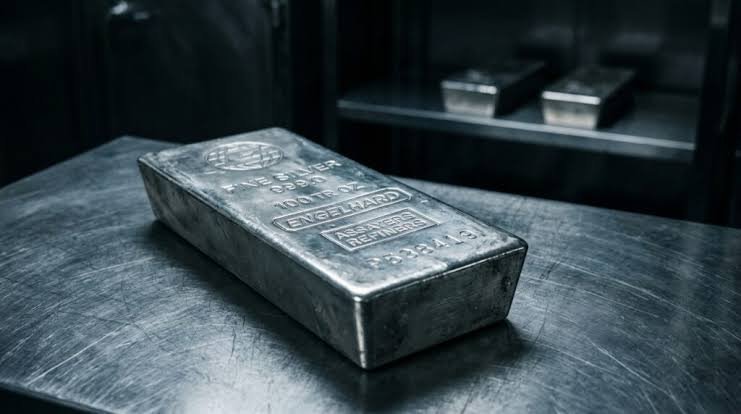
If you are considering investing in precious metals for retirement, you may have come across the term IRA approved silver. But what does it mean, and which types of silver can you hold in an individual retirement account (IRA)? Understanding the rules is important before purchasing silver for your retirement savings.
IRA approved silver refers to certain silver bullion bars and coins that meet the requirements for inclusion in an eligible self-directed precious metals IRA. These investments must satisfy specific purity standards and other applicable requirements. Simply buying a silver coin or bar does not automatically make it eligible for an IRA.
In this guide, you will learn what IRA approved silver is, which coins and bars may qualify, how silver IRA accounts work, and what investors should consider before making a purchase. You will also discover the potential benefits, costs, risks, and common mistakes associated with investing in silver for retirement.
Whether you are exploring precious metals for the first time or comparing retirement investment options, this article will help you understand the basics and make more informed decisions.
Table of Contents
- What Is IRA Approved Silver?
- How Does a Silver IRA Work?
- Which Silver Coins Are IRA Approved?
- What Purity Does IRA Approved Silver Require?
- Benefits of Investing in IRA Approved Silver
- Risks and Costs of a Silver IRA
- How to Buy IRA Approved Silver
- Common Mistakes to Avoid
- Frequently Asked Questions
- Conclusion
What Is IRA Approved Silver?
IRA approved silver is physical silver that meets the legal what is ira approved silver requirements for investment through an eligible individual retirement account in the United States. These accounts allow investors to hold certain precious metals instead of relying entirely on conventional investments such as stocks, bonds, and mutual funds.
The term generally refers to qualifying silver bullion coins and bars that satisfy applicable fineness standards. However, purity alone does not determine eligibility in every case. The product’s type, its source, and other requirements under federal tax law may also matter.
For example, an eligible silver bullion coin may qualify for a precious metals IRA, while a collectible silver coin may not. Two coins can contain similar amounts of silver but receive different treatment under the applicable rules.
Why Is IRA Approval Important?
The Internal Revenue Service (IRS) establishes rules governing precious metals held in retirement accounts. Under Section 408(m) of the Internal Revenue Code, certain coins and bullion can qualify as investments for an IRA, subject to specific conditions.
If you purchase silver that does not meet the applicable requirements, you could face unfavorable tax consequences. The rules also restrict how qualifying precious metals must be held and managed within an IRA.
This is why investors should confirm eligibility before buying silver for retirement purposes. A dealer’s description of a product as IRA eligible can be a useful starting point, but it should not replace proper verification.
Is IRA Approved Silver the Same as Collectible Silver?
No. IRA approved silver and collectible silver are not necessarily the same thing. Bullion products are generally valued according to their silver content, weight, and prevailing market conditions, along with premiums and other pricing factors.
Collectible coins may have additional value because of their rarity, historical importance, condition, or demand among collectors. However, many collectible coins do not qualify for an IRA, even if they contain a significant amount of silver.
Investors should therefore distinguish between buying silver as a retirement asset and buying coins primarily for collecting. The two activities can involve different pricing structures, eligibility rules, and investment risks.
How Does a Silver IRA Work?
A silver IRA is a type of self-directed individual retirement account that permits eligible precious metals investments. Unlike a conventional IRA that may focus on stocks, bonds, and funds, a self-directed account can provide access to certain physical assets, including qualifying silver bullion.
The account remains subject to applicable IRA tax rules. Its structure does not eliminate investment risk, guarantee returns, or make silver purchases automatically tax-free.
Investors typically establish an account with a custodian that supports precious metals IRAs. They then arrange to purchase qualifying silver through an appropriate dealer and have it delivered to an approved storage facility under the account’s requirements.
Traditional Silver IRA
A traditional silver IRA generally follows the tax treatment of a traditional IRA. Depending on the investor’s circumstances, eligible contributions may be tax-deductible, and investment growth is generally tax-deferred.
Withdrawals are usually taxable as ordinary income to the extent applicable under the account’s tax rules. Early distributions may also trigger additional taxes unless an exception applies.
Contribution limits, deduction eligibility, and distribution rules can change or depend on personal circumstances. Investors should review current IRS guidance before opening an account or making contributions.
Roth Silver IRA
A Roth silver IRA follows the rules governing Roth individual retirement accounts. Contributions are made with after-tax money and generally are not tax-deductible.
Qualified distributions can be tax-free when the applicable requirements are satisfied. These requirements include rules concerning the account’s holding period and the account holder’s circumstances.
A Roth structure does not make the silver itself more valuable or protect the investor against price declines. It changes the account’s tax treatment, not the underlying investment risks.
Why Is a Custodian Necessary?
Self-directed IRAs require an appropriate trustee or custodian to administer the account. For physical precious metals, the custodian helps ensure that purchases, records, storage arrangements, and distributions comply with the applicable rules.
The custodian does not guarantee the quality of an investment or protect the investor against market losses. Investors should understand the services provided, the fees charged, and the responsibilities assigned to each party.
It is also important to remember that personally storing IRA-owned silver at home is generally not an acceptable substitute for the required custodial and storage arrangements. Investors should obtain professional guidance before attempting to take physical possession of retirement-account metals.
Which Silver Coins Are IRA Approved?
Several types of silver bullion products may qualify for a precious metals IRA. The important point is that the product must meet the applicable legal requirements and the account’s investment rules. Investors should verify each product rather than assuming every silver coin is eligible.
One widely recognized example is the American Silver Eagle. Certain other silver coins and bullion bars may qualify under the relevant rules, depending on their specifications and the requirements for the account.
The IRS does not provide a simple endorsement list for every commercial silver product sold by dealers. Therefore, investors should confirm the legal eligibility of a specific coin or bar with their IRA custodian before purchasing it.
American Silver Eagle Coins
The American Silver Eagle is a popular choice among investors who want to hold silver in a retirement account. It is a United States government-issued bullion coin containing one troy ounce of silver.
American Silver Eagles are made from silver with a purity of 99.9%. Their recognition, standardized specifications, and established bullion market make them familiar to many precious metals investors.
The American Silver Eagle is particularly relevant because qualifying one-ounce silver coins issued under the applicable provisions of U.S. law are specifically addressed in the IRA rules. Investors should still confirm the product and transaction details with their custodian.
Silver Bullion Bars
Silver bullion bars are another potential option for a precious metals IRA. They are available in different weights, including one-ounce bars and larger bars intended for substantial investments.
Unlike qualifying silver coins, bullion bars must satisfy the applicable fineness and custody requirements. The IRS rules provide an exception for certain silver bullion that meets the relevant minimum fineness standard and remains in the physical possession of an appropriate trustee.
Before purchasing a bar, check its weight, purity, manufacturer, and documentation. Also, confirm that the custodian and storage facility will accept the exact product.
Other Silver Coins
Some silver coins issued by other countries may also be suitable for an IRA if they satisfy the applicable requirements. However, eligibility should not be assumed simply because a coin is popular or contains highly pure silver.
A coin’s design, issuing authority, and classification may affect its treatment. Collectible or numismatic coins can present additional complications because many coins fall within the general tax-law definition of collectibles.
The safest approach is to obtain written confirmation from the IRA custodian before committing retirement funds to a particular product.
What Purity Does IRA Approved Silver Require?
Silver purity is one of the most important factors to understand when researching IRA eligible precious metals. Purity describes the proportion of a metal that consists of silver rather than other materials.
For example, silver with a fineness of .999 contains 99.9% silver. Silver marked .9999 contains 99.99% silver. These markings help buyers understand the metal’s composition, but they do not independently establish that a product qualifies for an IRA.
Under the federal tax rules, qualifying bullion must meet the applicable minimum fineness standard. For silver bullion, the commonly applicable standard is .999 fineness, subject to the specific legal requirements and qualifying coin exceptions. The governing statute should be consulted when determining eligibility.
Understanding Silver Purity Marks
Silver products often display a purity marking, weight, and manufacturer information. A bar might be stamped with its weight and a marking such as .999 fine silver.
These details can help buyers identify the product and assess its specifications. However, markings should be supported by reliable product documentation and, where appropriate, independent verification.
Investors should be cautious when purchasing silver from unfamiliar sellers. Counterfeit products and inaccurate purity claims can create financial losses, especially when the buyer lacks the experience to recognize warning signs.
Does Higher Purity Always Mean Better Investment Value?
Not necessarily. A product with a higher purity percentage is not automatically a better investment than another qualifying silver product.
The total cost, premium over the silver spot price, resale market, liquidity, and storage arrangements all matter. Two products containing similar amounts of silver may have different purchase prices and resale values.
For retirement investing, the goal is to understand the full cost and suitability of the investment rather than focusing on purity alone. A product should meet the applicable eligibility rules while also fitting the investor’s budget and long-term plan.
Benefits of Investing in IRA Approved Silver
Investors consider silver for several reasons, including diversification, industrial demand, and the appeal of holding a tangible asset. A silver IRA provides a way to include qualifying physical silver within a retirement account.
However, silver is not suitable for every investor. Its potential benefits must be weighed against market volatility, storage expenses, and the possibility of losing money.
Portfolio Diversification
Diversification means spreading investments across different assets rather than relying on a single investment type. Some investors use precious metals to diversify portfolios that otherwise contain stocks, bonds, and other financial assets.
Silver prices do not always move in the same direction as stock or bond prices. Nevertheless, silver can decline significantly, including during periods when other investments perform poorly.
Holding silver therefore does not guarantee that a portfolio will be protected during a market downturn. Investors should consider their complete financial situation before deciding how much retirement money to allocate to precious metals.
Exposure to Silver Demand
Silver has several industrial uses, including applications in electronics, solar technology, and other manufacturing processes. It is also used in jewelry, silverware, and investment products.
This combination of industrial and investment demand can influence silver prices. Changes in manufacturing activity, economic conditions, mining supply, and investor sentiment may all affect the market.
These factors create opportunities as well as uncertainty. Industrial demand does not guarantee rising prices, and investors should avoid treating silver as an investment with predictable returns.
Potential Retirement Account Tax Advantages
A qualifying silver investment held inside a traditional or Roth IRA may receive the tax treatment associated with that account type. For example, a traditional IRA generally offers tax-deferred growth, while qualified Roth IRA distributions can be tax-free.
These benefits depend on compliance with the applicable tax rules. Purchasing ineligible assets or handling IRA property incorrectly may create adverse tax consequences.
Investors should understand the account’s contribution, distribution, and custody requirements before investing. A qualified tax professional can help explain how these rules apply to individual circumstances.
Risks and Costs of a Silver IRA
Although IRA approved silver can be part of a retirement strategy, it comes with risks that should not be overlooked. Physical silver does not produce interest or dividends, and its market price can change considerably over time.
Investors should also account for the costs of maintaining the retirement account. These expenses can reduce overall returns, especially when an account holds a relatively small amount of silver.
Silver Price Volatility
Silver prices respond to several factors, including industrial demand, interest rates, currency movements, investor activity, and changes in supply. Prices can rise or fall quickly, sometimes making it difficult to predict short-term performance.
An investor who purchases silver at a high price may need to wait a long time to recover the original investment. Selling during a downturn can result in a loss.
For this reason, silver should not automatically replace a diversified retirement portfolio. Investors need to consider their investment horizon, tolerance for risk, and need for accessible cash.
Storage and Custodian Fees
A precious metals IRA may involve account setup fees, annual administration fees, storage charges, and transaction costs. Some providers charge flat fees, while others calculate certain expenses according to the account or assets.
These costs vary between providers, so comparing fee schedules is essential. A dealer advertising low silver prices may not offer the lowest overall cost once storage and administration fees are included.
Ask for a complete written breakdown before opening an account. You should understand when fees are charged, whether they can change, and what happens if you decide to sell or transfer your investment.
Liquidity and Selling Costs
Physical silver is a tangible asset, but selling it is not always as straightforward as selling a publicly traded investment. The amount a dealer offers to buy silver back may be lower than the price the investor originally paid.
The difference between the purchase price and resale price is an important consideration. Premiums, transaction fees, and market conditions can all affect the final proceeds.
Before buying silver for retirement, ask the dealer about its buyback policy and the factors used to calculate resale offers. A clear exit plan can help investors avoid unpleasant surprises when they eventually need the money.
How to Buy IRA Approved Silver
Buying IRA approved silver requires more planning than purchasing ordinary silver bullion. You must select an appropriate retirement account, verify the product’s eligibility, and arrange compliant storage.
Taking these steps before spending money can help reduce avoidable mistakes. It also makes it easier to compare providers and understand the true cost of the investment.
Step 1: Choose a Self-Directed IRA Custodian
Start by researching custodians that administer precious metals IRAs. Check their experience, account services, fee schedules, and storage arrangements.
Ask whether the custodian supports the particular silver products you want to purchase. You should also understand how account transfers, withdrawals, reporting, and customer support work.
Do not select a provider based solely on advertising or sales promises. Compare several options and review the account documents before making a decision.
Step 2: Verify the Silver Product
Once you have selected a custodian, identify the silver coins or bars you want to buy. Confirm their purity, weight, manufacturer, and eligibility with the custodian.
Request a written explanation of the purchase price and any additional charges. If the dealer claims a product is IRA eligible, ask for documentation supporting that claim.
The IRS rules governing precious metals and collectibles are available through the official IRS website. Its guidance explains why certain coins and bullion receive different treatment from ordinary collectibles.
Step 3: Arrange an Approved Purchase and Storage
After confirming eligibility, arrange the purchase through the account’s approved process. The custodian and dealer should coordinate the transaction and ensure the silver reaches an appropriate storage facility.
Do not assume you can buy silver personally and then place it in your IRA afterward. Contributions and transfers must follow the applicable rules, and the handling of IRA assets is important.
Keep copies of purchase confirmations, invoices, account statements, and storage records. These documents help you track your holdings and understand the investment’s total cost.
Step 4: Review Your Investment Regularly
After purchasing silver, monitor your account statements, fees, and the value of your holdings. Reviewing these details can help you understand how the investment fits into your broader retirement plan.
You should also reassess whether your allocation remains appropriate as your financial circumstances change. Silver prices can fluctuate substantially, so the value of your retirement account may rise or fall.
Avoid making frequent decisions based only on short-term price movements. A long-term investment plan should reflect your retirement goals, risk tolerance, and need for diversification.
Common Mistakes to Avoid
Investors can make costly mistakes when they focus on buying silver without understanding the retirement account rules. Learning about these issues beforehand can help protect your savings.
Assuming every silver coin qualifies: Not all silver coins are eligible for an IRA. Verify the exact product with your custodian before purchasing it.
Ignoring fees: Account administration, storage, dealer premiums, and selling costs can reduce returns. Compare the complete cost of ownership instead of looking only at the advertised silver price.
Storing IRA silver at home: Personally holding IRA-owned silver can create serious tax and compliance issues. Use the required custodial arrangements and seek professional advice before attempting any distribution or change in possession.
Trusting guaranteed-return promises: Silver prices fluctuate, and no legitimate investment can guarantee that silver will always increase in value. Be cautious of aggressive sales tactics and claims of risk-free profits.
Investing too much in one asset: Concentrating retirement savings in silver can expose you to substantial price risk. Consider how precious metals fit alongside other investments and your need for liquidity.
Overlooking resale arrangements: Buying silver is only one part of the process. Understanding how you can sell it, what fees apply, and how the buyback price is determined is equally important.
Frequently Asked Questions
1. What is IRA approved silver?
IRA approved silver is qualifying physical silver that can what is ira approved silver be held in an eligible individual retirement account under applicable U.S. tax rules. It generally includes certain silver bullion coins and bars that meet the relevant requirements. Eligibility depends on the product and the required custody arrangements.
2. What purity must silver have to qualify for an IRA?
Qualifying silver bullion generally needs a minimum fineness of .999, subject to the applicable legal requirements. Certain coins may qualify under specific statutory exceptions. Always verify the exact product with your IRA custodian before purchasing it.
3. Is the American Silver Eagle IRA approved?
The American Silver Eagle is a U.S. government-issued bullion coin that contains one troy ounce of .999-fine silver. Qualifying one-ounce silver coins issued under the applicable federal provisions can be held in an eligible IRA. Confirm the product and custody arrangements with your custodian before buying.
4. Can I keep my IRA approved silver at home?
Generally, you cannot simply take personal possession of silver owned by your IRA and treat it as an ordinary home-stored investment. IRA-owned precious metals must meet the applicable trustee or custodian possession requirements. Improper handling may trigger unfavorable tax consequences.
5. Is investing in IRA approved silver a good idea?
It depends on your financial goals, retirement timeline, and tolerance for risk. Silver may provide diversification and exposure to precious metals, but its price can be volatile. Storage fees, administration costs, and resale spreads can also reduce returns. Consider consulting a qualified financial or tax professional before investing.
Conclusion
Understanding what IRA approved silver means is an important first step for anyone considering physical precious metals in a retirement account. Eligible silver generally includes qualifying bullion coins and bars that meet applicable legal, purity, and custody requirements.
Before investing, verify the exact product, compare custodians, understand storage arrangements, and calculate all associated fees. Remember that silver prices can fluctuate, and a precious metals IRA does not guarantee profits or eliminate investment risk.
The most sensible approach is to evaluate silver as one potential part of a broader retirement strategy. By understanding the rules and weighing the costs against the potential benefits, you can make a more informed decision about whether IRA approved silver fits your long-term financial goals.
